Materials & Settings
PLA vs PETG for Small 3D Prints: Which Should You Choose?
FreshSTL Editorial Team
Nov 6, 2026
3 min read
Read Next
More articles you might like
Looks like you haven't added any 3D models yet.
More articles you might like
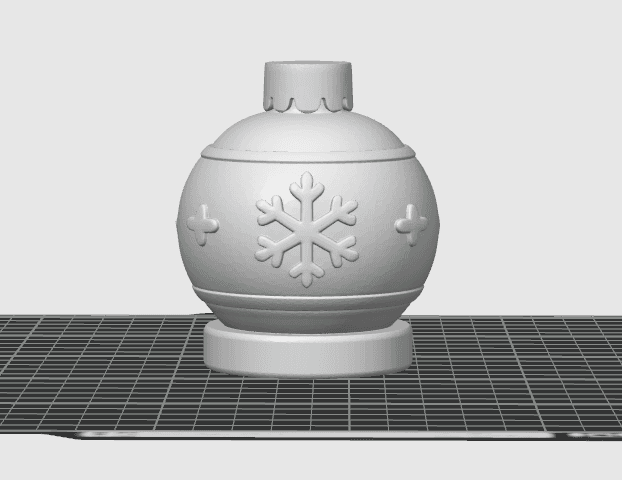
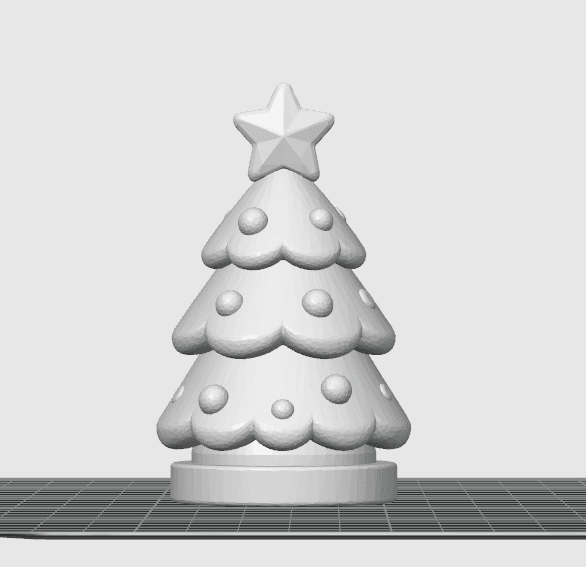
The featured visual, where available, shows a FreshSTL 3D model and should not be read as a photograph of a verified physical print.
For a display ornament, simple printing and crisp surface detail often matter most. For a keychain, repeated handling and temperature exposure may matter more. PLA and PETG are common FDM filaments, but they do not turn a weak design into a durable product by themselves.
Start with the environment: Will the print remain indoors, sit in a parked car, hang from a bag or be handled by children? Those answers matter more than the color on the spool.
PLA is often easier to print with clean details, moderate temperatures and relatively little warping. It is a sensible baseline for indoor decorations and display figures when its heat limitations are acceptable.
A fragile ornament tip can still break in PLA or PETG if it is too thin. Consider geometry and orientation before treating filament choice as the only solution.
PETG commonly offers higher temperature tolerance and more ductile behavior than ordinary PLA, making it worth testing for handled accessories and some functional parts. It can also string more easily, and its adhesion behavior needs a suitable build-plate setup.
Do not assume every PETG print is automatically stronger. Poor layer bonding, excessive cooling or incorrect temperatures can undermine the expected benefit.
Start with the filament manufacturer's profile. For either material, dry storage, clean extrusion and appropriate cooling produce more reliable results than copying one universal temperature from a forum.
PETG's tendency to adhere aggressively to some build surfaces means you should follow your printer and build-plate manufacturer's release guidance. Give prints time to cool before removal.
Print a small version of the real part in the two materials, using sensible profiles, then compare dimensional fit, edge quality and everyday flexibility. If the part includes a hole or clip, evaluate that feature specifically.
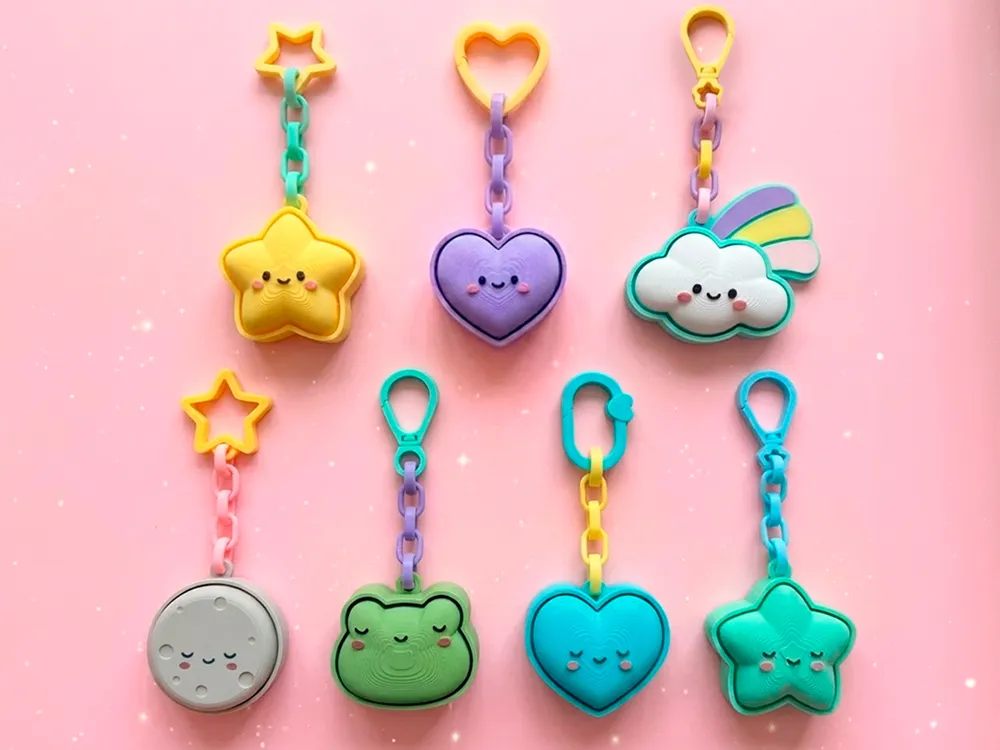
Keep materials suitable for the application. Neither a standard PLA nor PETG print should be assumed food-safe or suitable for a heat-critical use without appropriate design, process controls and verification. For a project example, view a Adorable Clicker Keychains and read keychain design basics .
For a desktop snowman that stays in a climate-controlled room, ordinary PLA may be the simplest choice: it typically offers straightforward printing and pleasing detail. For a keychain that is carried outside and occasionally left in warm conditions, PETG may be worth considering for its different toughness and temperature behavior. The correct choice still depends on exact grade, design and expected handling.
Neither material automatically makes a part suitable for high temperatures, human contact applications or demanding load-bearing service. For a clip or joint, the local shape and layer direction often matter as much as the plastic family.
Slice the same test object at the same final dimensions using the manufacturer's recommended profile for each filament. Compare the outline, small text, unsupported regions, fit and cleanup time. Do not use the same nozzle temperature for two materials just to keep the settings identical; each needs an appropriate process.
Observe the first layer and the material's release behavior. If one filament produces strings, investigate dryness and tuning before concluding it cannot make detailed prints. Use filament storage guidance to keep the comparison consistent.
Not always. PETG often offers more toughness and heat resistance, but design, surface quality and the key-ring loop remain important.
They may soften or deform if heated sufficiently. Consider the actual temperature exposure and avoid hot locations for PLA decorations.